A Loss of Pressure is the Most Common Boiler Issue
If you’ve looked at your boiler and noticed the pressure gauge has dropped, don’t panic. A loss of pressure is one of the most common boiler issues homeowners experience, and it can be resolved quickly.
Whether you have a gas boiler, LPG boiler or oil-fired boiler, the heating system relies on the correct water pressure to circulate hot water around your radiators and provide heating and, in many cases, hot water.
A small drop in pressure from time to time is perfectly normal. However, if you are regularly topping up the pressure or your boiler keeps displaying low-pressure warning messages, it usually indicates that something isn’t quite right.
At Mark Abraham Gas, our engineers are committed to helping and providing you with honest advice. This detailed guide explains what boiler pressure is, why it matters, the common reasons why pressure is lost and when it’s time to call our qualified and expert engineers.
What Is Boiler Pressure?
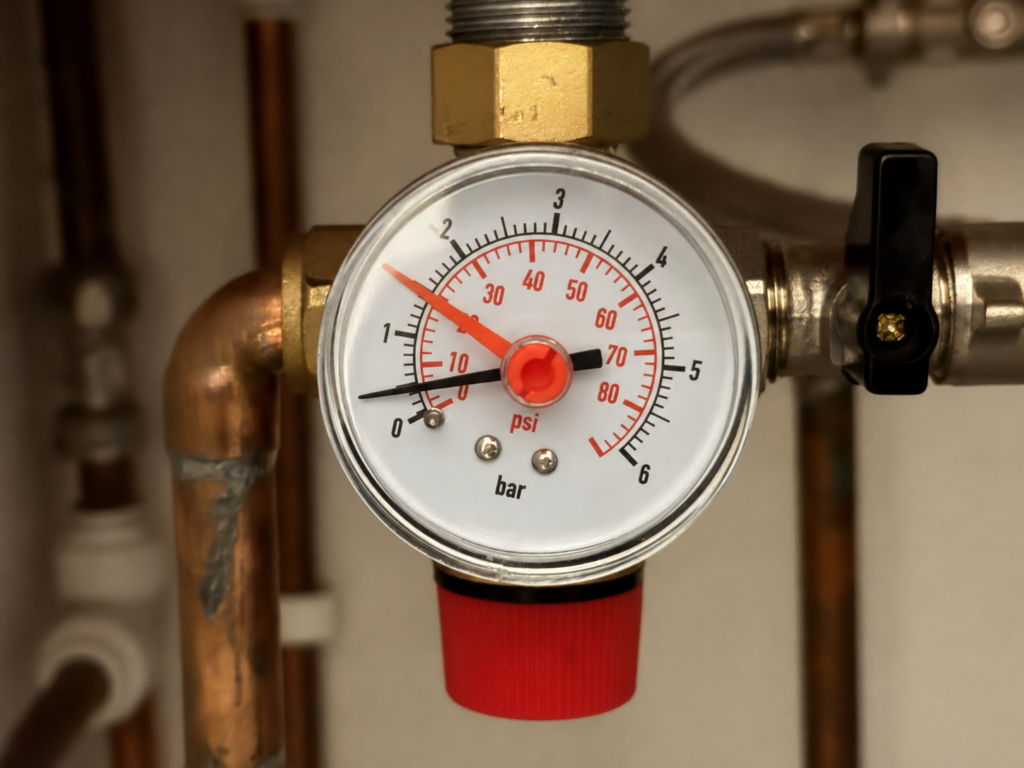
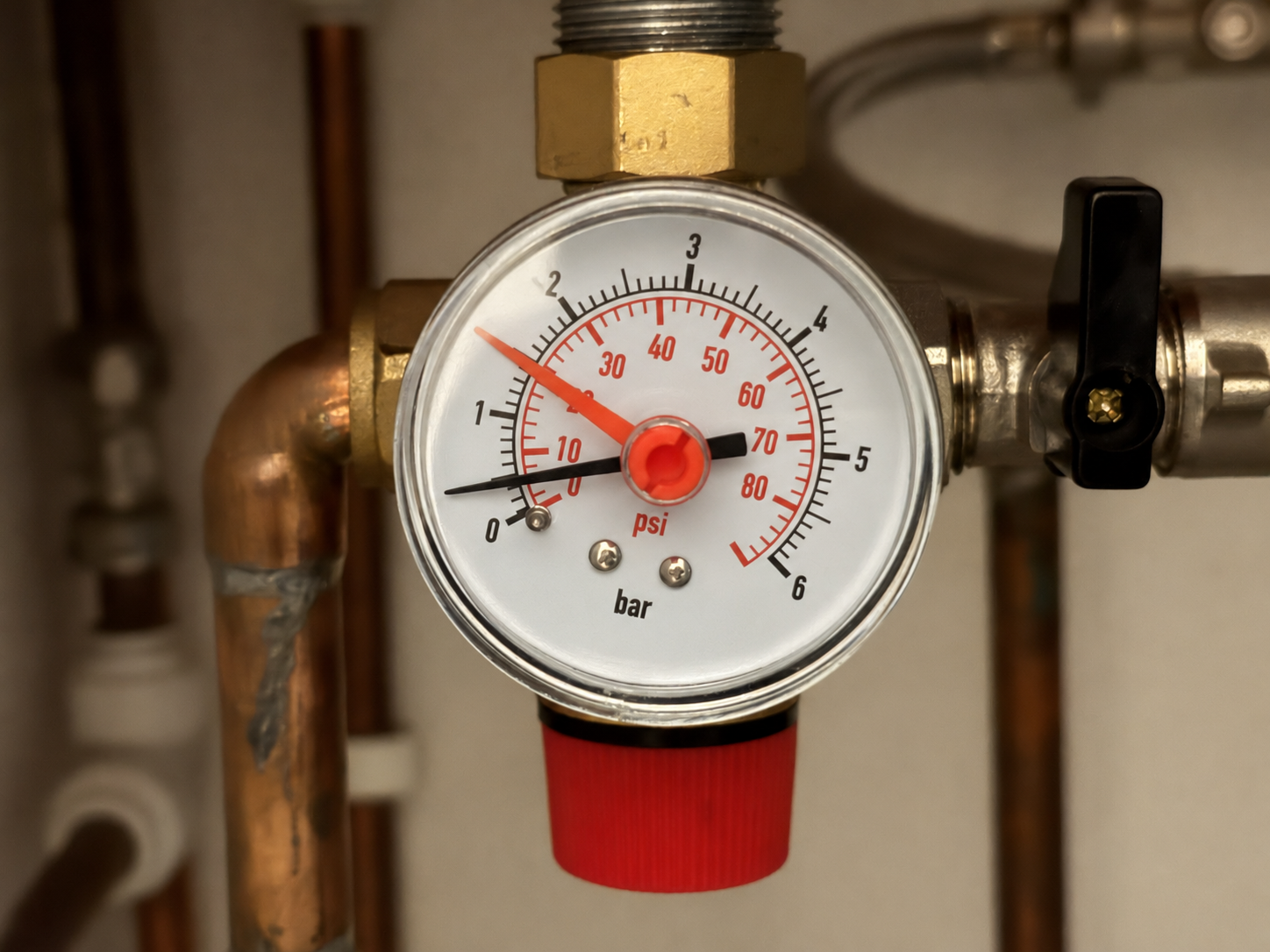
The pressure shown on the gauge is the water pressure inside your sealed central heating system. Not the measure of gas or oil inside the boiler. This water circulates continuously between the boiler, radiators and pipework, carrying heat around your home.
The system needs enough pressure to push the heated water around the entire heating circuit. If the pressure becomes too low, the boiler may struggle to circulate water efficiently or may stop working altogether as a safety precaution.
Most modern gas, LPG and oil boilers fitted to sealed heating systems have a pressure gauge or digital display that allows you to check the system pressure at a glance.
Why Does Boiler Pressure Matter?
Correct pressure allows hot water to circulate efficiently around your central heating system.
If the pressure becomes too low, you may notice:
- Radiators not heating properly.
- The boiler refusing to start.
- Error codes appearing on the display.
- Loss of heating.
- Reduced hot water performance.
- The boiler repeatedly switching itself off.
Modern boilers include built-in safety systems that often prevent them from operating if the pressure becomes too low, helping to protect the appliance from damage.
What Is the Normal Boiler Pressure?
The exact pressure depends on the manufacturer, but for most domestic boilers:
- When the heating is switched off (cold) the pressure is usually between 1.0 and 1.5 bar.
- When the heating is on, the pressure will normally rise to between 1.5 and 2.0 bar.
A small increase while the system is heating up is perfectly normal.
If the pressure falls below around 1 bar, many boilers will display a warning or stop operating until the pressure is restored.
Your boiler’s instruction manual will confirm the recommended operating pressure for your particular model.
Why Is My Boiler Losing Pressure?
There are several possible reasons why your boiler may be losing pressure.
Some are relatively minor, while others require our professional attention.
Here’s a list of potential reasons why:
1. A Leak Somewhere in the Heating System
This is the most common cause of ongoing pressure loss.
Even a very small water leak allows water to escape from the sealed heating system, reducing the overall pressure.
Leaks can occur from:
- Radiator valves.
- Heating pipes.
- Boiler connections.
- Towel rails.
- Underfloor heating systems.
- Internal boiler components.
Some leaks are obvious because you can see water dripping onto the floor.
Others are much harder to spot, particularly if pipework is hidden beneath floors or inside walls.
Signs of a leak include:
- Damp patches.
- Water stains.
- Green deposits around copper pipework.
- Rust marks.
- Small puddles beneath radiators or the boiler.
Even a slow drip over several weeks can gradually reduce system pressure.
2. You Have Recently Bled Your Radiators
Bleeding radiators removes trapped air from the heating system.
Although this improves heating performance, a small amount of water also escapes during the process which reduces the overall water volume within the system and can cause the pressure to fall slightly.
After bleeding several radiators, it is necessary to top up the system pressure using the boiler’s filling loop.
3. A Faulty Pressure Relief Valve
Every sealed heating system includes a pressure relief valve.
This safety device is designed to release water if the system pressure becomes dangerously high.
Occasionally the valve may:
- Become worn.
- Fail to close properly.
- Develop debris around the seal.
This allows small amounts of water to escape continuously, causing the pressure to drop over time.
Sometimes you may notice water dripping from an external overflow pipe outside your home.
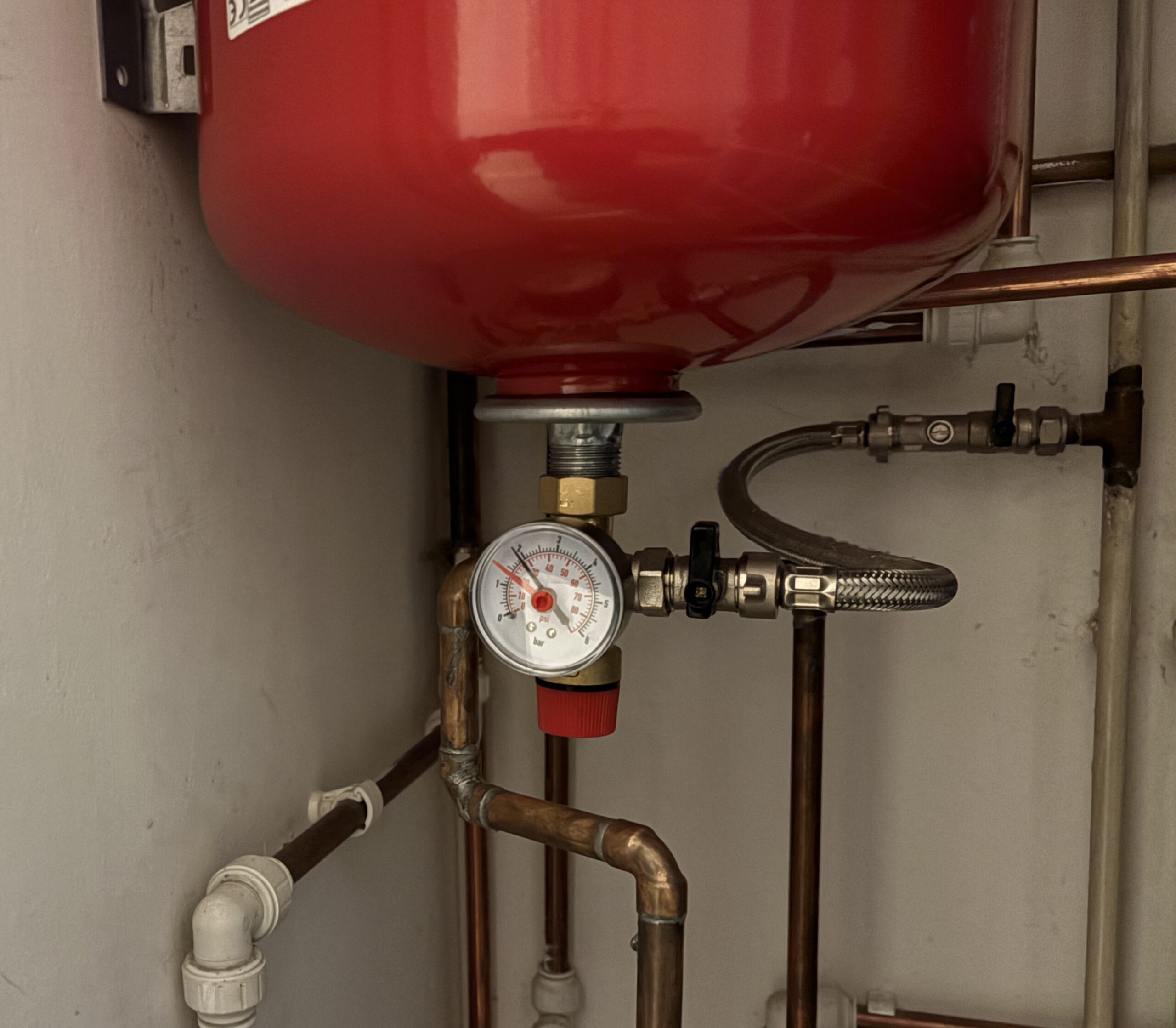
4. The Expansion Vessel Needs Attention
Inside most modern boilers is a component called an expansion vessel.
As water heats up, it naturally expands. The expansion vessel absorbs this increase in volume and helps keep the system pressure stable.
Over time the vessel can lose its internal air charge or develop a fault.
When this happens, the pressure may:
- Rise rapidly when the heating is switched on.
- Fall sharply when the system cools.
- Trigger the pressure relief valve to release water.
This often results in a cycle of continually losing pressure.
An expansion vessel should only be checked and recharged by our expert engineers at Mark Abraham Gas.
5. A Fault Within the Boiler
Sometimes the leak isn’t within your heating system at all.
Internal boiler components can occasionally develop faults, including:
- Seals.
- Heat exchangers.
- Pumps.
- Automatic air vents.
- Pipe connections.
These components are located inside the boiler casing. This means the leak may not always be immediately visible.
Regular annual servicing helps identify many of these issues before they become serious.
6. Corrosion Within the Heating System
Over many years, corrosion can affect older heating systems.
Rust may gradually weaken:
- Radiators.
- Pipework.
- Joints.
- Valves.
Tiny pinhole leaks can eventually develop, allowing pressure to fall slowly over time.
Maintaining the correct level of corrosion inhibitor within the heating system helps reduce this risk.
7. Poor Installation or Previous Repairs
If your boiler or heating system has recently been installed or repaired, a loose connection or poorly sealed joint may be allowing water to escape.
Although uncommon, installation issues occasionally become apparent several weeks after work has been completed. If you’ve recently had work carried out and notice the pressure continually dropping, contact the company that completed the installation.
This emphasises the importance of choosing an experienced, reputable heating company when having a new boiler installed or repaired.
At Mark Abraham Gas, every installation is completed with great attention to detail. Before any job is signed off, the entire heating system is thoroughly tested to ensure it is watertight, correctly pressurised and operating safely. All pipework and connections are carefully checked, the system is commissioned in accordance with the manufacturer’s instructions, and the customer is shown how to monitor the boiler’s pressure and use the controls correctly.
Our engineers take pride in delivering installations that are completed to a high professional standard, helping to minimise the risk of pressure-related issues and providing homeowners with confidence that their new heating system is safe, reliable and ready to perform efficiently for many years to come.
Does This Affect Gas, LPG and Oil Boilers?
Yes.
Although gas, LPG and oil boilers use different fuels to generate heat, the sealed central heating system works in almost exactly the same way.
The water circulating around your radiators is completely separate from the fuel supply.
This means that pressure loss is generally caused by the heating system itself rather than the type of fuel being used.
Whether your boiler burns natural gas, LPG or heating oil, the most common causes of pressure loss remain the same.
Can I Simply Keep Topping Up the Pressure?
Many homeowners discover how to repressurise their boiler and continue topping it up every few weeks.
While this may temporarily restore heating, it does not solve the underlying problem.
If the pressure keeps falling, water is escaping from somewhere within the system.
Continually adding fresh water can also introduce oxygen into the heating system, increasing the risk of internal corrosion over time.
If you regularly need to top up the pressure, contact Mark Abraham Gas (mobile and email available on our website) so our expert engineers can thoroughly inspect your system.
What Can Homeowners Safely Check?
Before calling an engineer, there are a few simple checks you can carry out yourself:
- Look for obvious leaks around the boiler.
- Check beneath radiators for signs of water.
- Inspect radiator valves.
- Check visible pipework.
- Look outside for water dripping from the pressure relief pipe.
- Check the pressure gauge.
- Ensure the filling loop has been fully closed after repressurising.
Never remove the boiler casing or attempt internal repairs yourself.

When Should You Call an Engineer?
You should contact Mark Abraham Gas if:
- The pressure continually drops.
- The boiler repeatedly displays low-pressure faults.
- You find water leaking from the boiler.
- You suspect an internal fault.
- Water is flowing from the overflow pipe.
- The pressure falls shortly after topping it up.
- You are unsure how to safely repressurise the system.
Prompt attention can often prevent a relatively minor issue from developing into a more expensive repair.
Can Annual Servicing Help?
Absolutely.
Although a boiler service is not specifically designed to fix pressure loss, it provides an opportunity for our precise engineers to identify many of the problems that commonly cause it.
During an annual service they may:
- Check for signs of internal leaks.
- Inspect seals and joints.
- Examine the expansion vessel.
- Test the pressure relief valve.
- Check overall system operation.
- Identify early signs of wear before they become major faults.
Regular servicing helps keep your boiler operating safely, efficiently and reliably.
Frequently Asked Questions
Is it normal for boiler pressure to drop slightly?
Yes. A very small reduction over several months can be perfectly normal. However, frequent or significant pressure loss usually indicates that the system needs attention.
Can cold weather cause low boiler pressure?
Cold weather can cause a slight reduction in system pressure, but it should not result in the boiler continually losing pressure. If the pressure repeatedly falls below the recommended level, there is likely to be another underlying cause which we, at Mark Abraham Gas, will accurately find.
Is low boiler pressure dangerous?
Low pressure is not usually dangerous, but it can prevent your boiler from working properly. Modern boilers often shut down automatically to protect themselves if the pressure falls too low.
Can I still use my boiler if the pressure is low?
Some boilers may continue operating with slightly reduced pressure, but many will display an error code or stop working until the pressure has been restored. Repeatedly repressurising the system without investigating the cause is not recommended.
Is Your Boiler Losing Pressure?
A boiler losing pressure is one of the most common heating problems homeowners experience, but it is not something that should be ignored. While a small drop in pressure from time to time is perfectly normal, regularly having to top up the system usually indicates that water is escaping somewhere within the heating system.
Whether you have a gas, LPG or oil boiler, the causes of pressure loss are generally the same and often relate to leaks, worn components or issues within the sealed heating circuit. Identifying the cause early can prevent unnecessary breakdowns, improve efficiency and reduce the risk of more expensive repairs.
If you’re unsure why your boiler keeps losing pressure, or the problem returns after you’ve topped it up, the safest course of action we recommend is to arrange an in-depth inspection by our exceptional engineers at Mark Abraham Gas. We diagnose the issue, carry out any necessary repairs and ensure your heating system continues to operate safely and efficiently throughout the year.