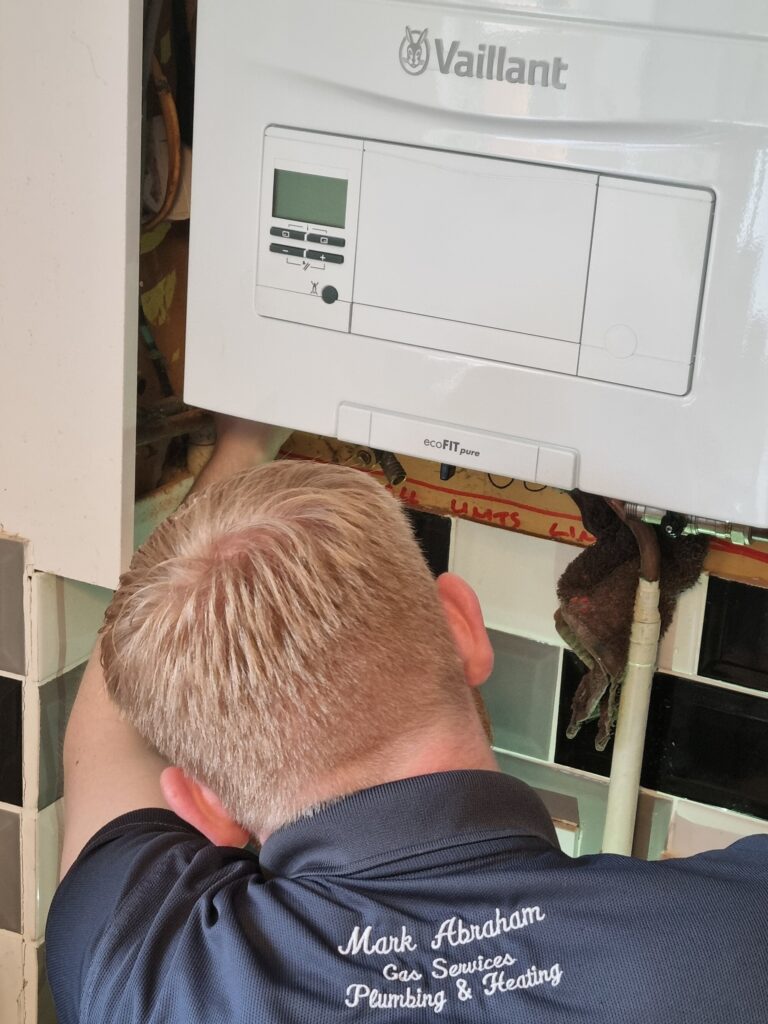
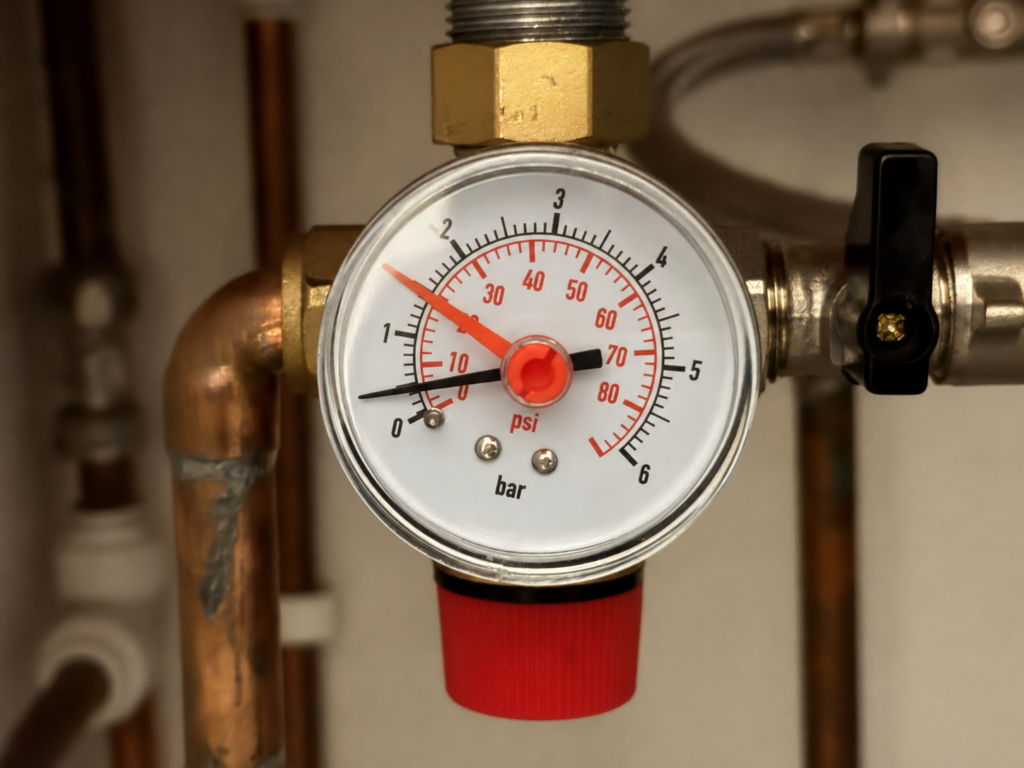
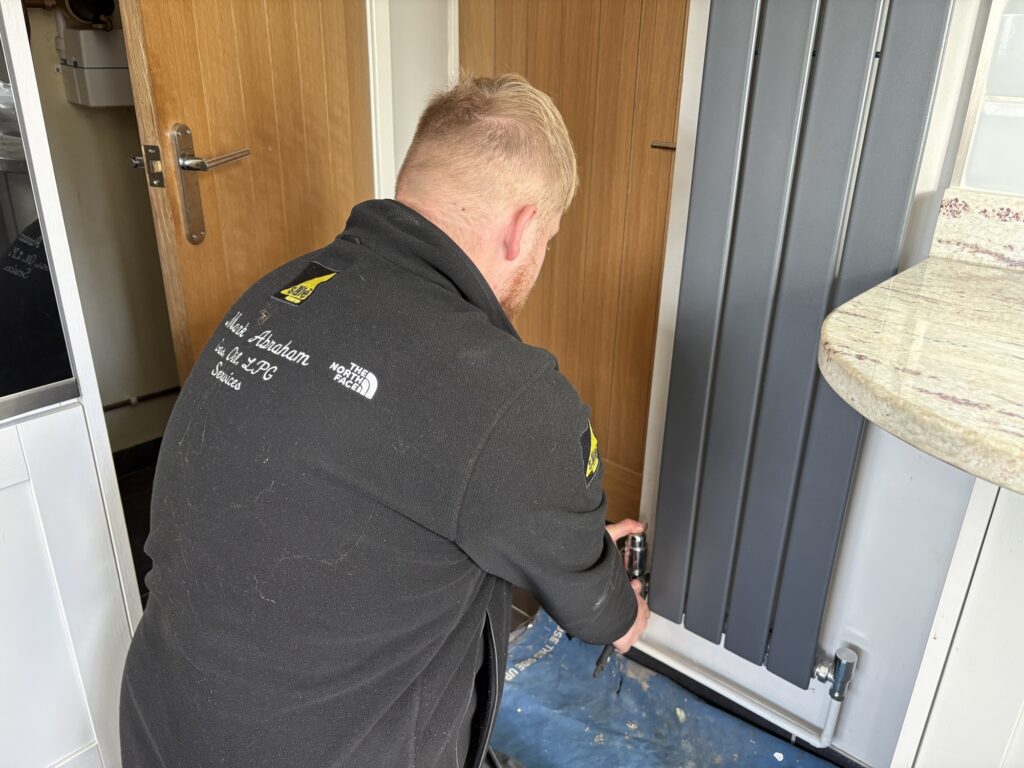
Your Gas, LPG or Oil-fired Boiler Will Eventually Need Replacing
Your boiler is one of the most important appliances in your home. It keeps your family warm during the colder months and provides the hot water you rely on every day. However, a boiler will not last forever.
Whether your home is heated by a gas boiler, LPG boiler or oil-fired boiler, it will eventually need replacing. At Mark Abraham Gas, we advise a replacement when it becomes more practical and cost-effective than continuing to repair it.
Many homeowners worry that the first fault means they need a new boiler, we can reassure you that this is rarely the case. A simple repair and an annual service can keep a boiler operating reliably for years to come. However, there are warning signs that suggest your boiler is reaching the end of its working life.
Our detailed and honest guide explains the 10 signs your boiler needs replacing.
How Long Should a Boiler Last?
The lifespan of a boiler depends on several factors, including:
- The manufacturer and build quality.
- How well it has been maintained.
- How heavily it is used.
- Whether it has been serviced every year.
- The quality of the original installation.
As a general guide:
- Most modern boilers last between 10 and 15 years.
- Well-maintained boilers can sometimes continue operating for 20 years or more.
- Poorly maintained boilers may fail much sooner.
Age alone does not mean a boiler should be replaced, but it is an important factor when combined with other problems.
The 10 Signs Your Boiler Needs a Replacing:
1. Your Boiler Is More Than 15 Years Old
Older boilers were built to different efficiency standards than modern appliances.
Although they may still work, they often:
- Use more fuel.
- Take longer to heat your home.
- Cost more to run.
- Require more frequent repairs.
If your boiler is over 15 years old and beginning to develop faults, replacing it may prove more economical than continuing to repair it.
2. It Breaks Down Regularly
Every boiler can develop the occasional fault.
However, if you’re calling an engineer several times a year, it may indicate that multiple components are beginning to wear out.
Frequent breakdowns can become frustrating and expensive.
You may also find yourself without heating or hot water at the worst possible time, during the middle of winter.
If repair bills are becoming increasingly common, at Mark Abraham Gas we suggest comparing the ongoing cost of repairs with the investment in a new, more reliable boiler.
3. Repairs Are Becoming Expensive
Some repairs are relatively inexpensive.
Replacing a pressure relief valve, sensor or small seal may cost far less than installing a new boiler.
However, larger repairs involving components such as:
- Heat exchangers
- Electronic control boards
- Fans
- Pumps
can become costly.
If your boiler requires several expensive repairs within a short period, replacing it may offer better long-term value.
4. Your Energy Bills Keep Increasing
Have your heating bills increased even though your household hasn’t changed how much heating you use?
An ageing boiler gradually loses efficiency.
It may:
- Burn more fuel.
- Take longer to heat your home.
- Run for longer periods.
- Waste energy.
Inefficient boilers make the increase in rising fuel prices even more noticeable.
Our expert engineers at Mark Abraham Gas suggest replacing an old boiler with a modern high-efficiency model often reduces fuel consumption, particularly if your existing boiler is many years old.
5. Your Home Isn’t Heating Properly
Are your rooms not warming up? Is your hot water not as reliable? Your boiler may be struggling to meet your home’s heating demands.
Common symptoms include:
- Radiators taking a long time to heat up.
- Lukewarm hot water.
- Hot water temperature constantly changing.
- Heating switching on and off frequently.
- The boiler running almost continuously.
While these issues can sometimes be caused by other problems within the heating system, such as sludge in the radiators or faulty controls, they can also indicate that the boiler itself is nearing the end of its working life.
Our experienced engineers can identify the cause.
6. Replacement Parts Are Difficult to Find
Manufacturers eventually stop producing parts for older boilers.
If replacement components are no longer available, repairs may become:
- More expensive.
- More time-consuming.
- Impossible.
Some parts may only be available second-hand or as refurbished items, which isn’t always the most reliable long-term solution.
7. The Boiler Is Making Unusual Noises
Boilers should operate relatively quietly.
If you begin hearing:
- Banging.
- Knocking.
- Whistling.
- Gurgling.
- Vibrating.
- Rattling.
it could indicate worn components or internal problems.
Some noises may be caused by trapped air or limescale, while others could suggest failing pumps, fans or heat exchangers.
Although unusual noises don’t automatically mean the boiler needs replacing, they should always be investigated.
8. You Notice Water Leaks
A small amount of condensation is perfectly normal.
However, water leaking from the boiler itself should never be ignored.
Leaks may result from:
- Worn seals.
- Corroded components.
- Damaged pipework.
- Internal component failure.
Small leaks can gradually damage electrical components, causing further faults.
At Mark Abraham Gas, we always provide honest and professional advice to help you make the most suitable option for you and your home. If an older boiler develops repeated leaks, replacement may be the most sensible long-term option.
9. The Boiler No Longer Meets Your Household’s Needs
Your heating requirements may have changed.
Perhaps you’ve:
- Extended your home.
- Added extra bathrooms.
- Installed additional radiators.
- Increased the size of your family.
A boiler that was perfectly adequate ten years ago may now struggle to provide sufficient heating and hot water.
A modern boiler with the correct output may offer significantly improved comfort and performance.
10. Your Engineer Recommends Replacement
Our outstanding engineers at Mark Abraham Gas repair boilers every day.
We understand which faults are economical to repair and which indicate that a boiler has reached the end of its practical life.
If our experienced engineers recommend replacement, it is because they have considered factors such as:
- Age.
- Reliability.
- Safety.
- Availability of spare parts.
- Repair costs.
- Overall condition.
At Mark Abraham Gas, we have an excellent group of reputable and expert engineers with honest advice, quality workmanship and exceptional customer service. We recommend replacing a boiler when we genuinely believe it is the most sensible long-term solution which is most suitable for you and your home.
Does This Apply to Gas, LPG and Oil Boilers?
Yes.
Although these boilers use different fuels, they all contain similar components that naturally wear over time.
- Gas boilers require annual servicing to ensure safe combustion and efficient operation.
- LPG boilers operate in much the same way as natural gas boilers and require the same level of maintenance.
- Oil boilers also require annual servicing, but because oil combustion naturally produces soot and deposits, regular cleaning is essential to maintain efficiency.
Regardless of the fuel used, the warning signs of an ageing boiler are very similar.
Can Regular Servicing Delay Replacement?
In many cases, yes.
An annual boiler service helps identify small issues before they become major faults.
Regular servicing can:
- Improve efficiency.
- Reduce wear on components.
- Lower the risk of breakdowns.
- Extend the boiler’s working life.
- Maintain safe operation.
Many boilers continue operating reliably for years beyond their expected lifespan because they have been properly maintained by our exceptional engineers.
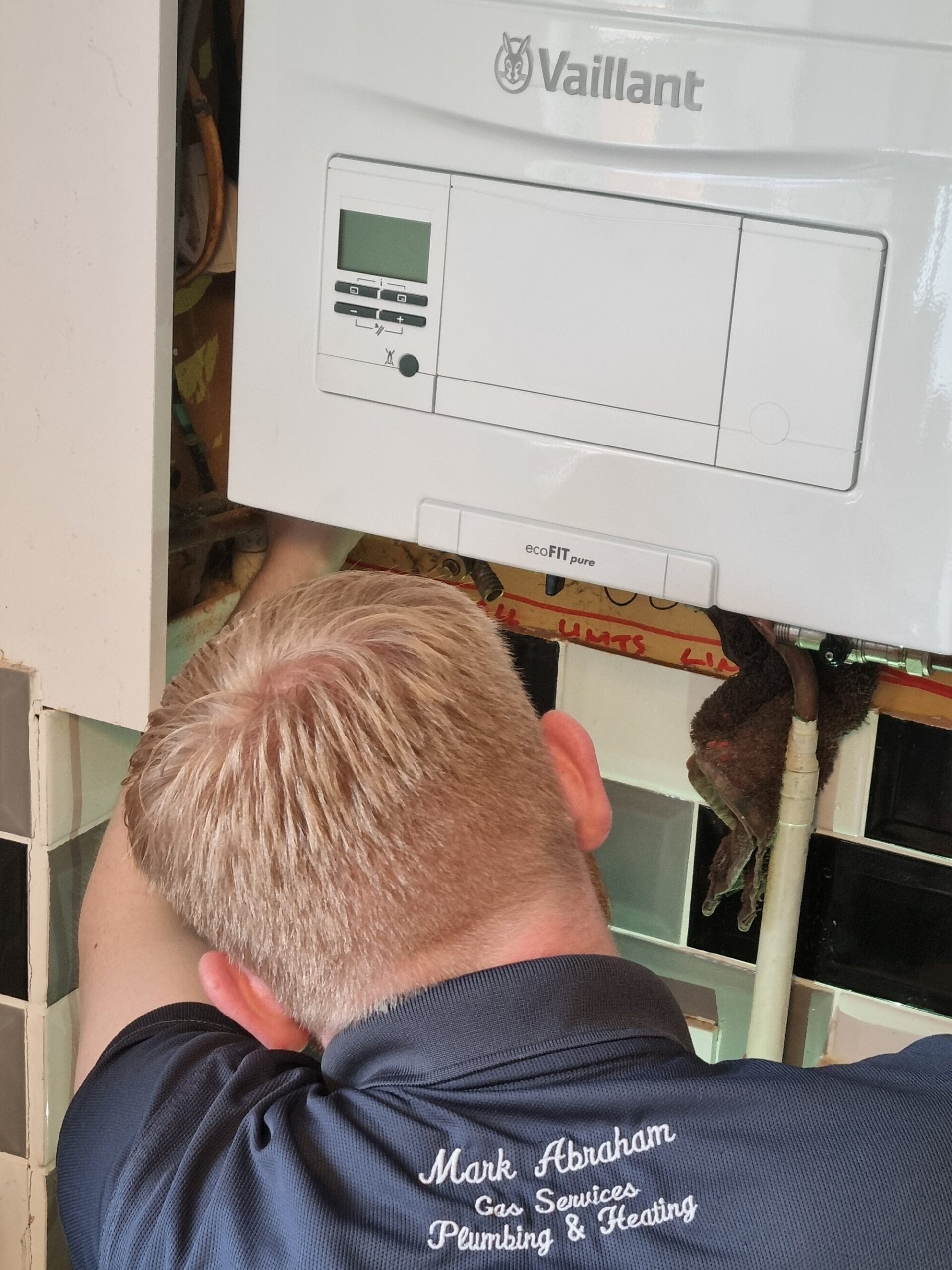
Our qualified engineers at Mark Abraham Gas will explain the options and help you decide which is the most cost-effective solution.
Repair or Replace?
One of the biggest questions homeowners face is whether to repair their existing boiler or invest in a replacement.
As a general guide:
Repair your boiler if:
- It is relatively modern.
- This is its first significant fault.
- Repairs are reasonably priced.
- Spare parts remain readily available.
- It has been regularly serviced.
Consider replacement if:
- The boiler is over 15 years old.
- Repairs are becoming increasingly frequent.
- Energy bills continue to rise.
- Spare parts are difficult to obtain.
- Major components have failed.
- The overall repair cost approaches the value of a replacement boiler.
Choosing the Right Replacement Boiler
If replacement is the best option, choosing the right boiler depends on several factors, including:
- The size of your home.
- The number of bathrooms.
- Your hot water demand.
- The type of heating system you currently have.
- Whether your property uses mains gas, LPG or oil.
Modern boilers are available as:
- Combination (combi) boilers.
- System boilers.
- Regular (heat-only) boilers.
Selecting the correct boiler ensures reliable heating, efficient hot water and lower running costs.
Frequently Asked Questions
Does an old boiler always need replacing?
No. Many older boilers continue operating safely and efficiently with regular servicing and maintenance. Age alone is not a reason to replace a boiler.
Is it cheaper to repair or replace a boiler?
It depends on the age of the boiler, the cost of the repair and its overall condition. A single minor repair is often worthwhile, whereas repeated expensive repairs on an ageing boiler may make replacement the better financial choice.
At Mark Abraham Gas, we are here to help and advise you to make the best cost-effective solution for you, your boiler and home.
Will a new boiler reduce my energy bills?
A modern, high-efficiency boiler can often use less fuel than an older model, particularly if the existing boiler is inefficient or poorly maintained. However, the amount you save will depend on factors such as your home’s insulation, heating habits and current energy prices.
Should I replace my boiler before it breaks down?
Many homeowners choose to replace an ageing boiler before it fails completely, particularly if it has become unreliable. Doing so can avoid the inconvenience of losing heating and hot water during the colder months and allows you to plan the installation at a convenient time.
Replacing Your Boiler
No boiler lasts forever, but replacing it too early can be just as costly as keeping an unreliable one for too long. The key is to recognise the warning signs seen from our ’10 Signs Your Boiler Needs Replacing’ guide and seek professional advice from our experienced engineers at Mark Abraham Gas before minor issues become major problems.
Whether you have a gas, LPG or oil boiler, annual servicing is one of the best ways to maximise its lifespan, improve efficiency and reduce the likelihood of unexpected breakdowns.
If your boiler is becoming unreliable, your energy bills are increasing or repairs are becoming more frequent, arrange for our qualified engineers to inspect the system by calling or emailing us (available on our website). We can assess its condition, explain your options and help you decide whether a repair or replacement is the most practical and cost-effective solution for your home.